The Psychology of Military Memory Films: Why They Matter
When a veteran watches their service memories transform into an animated film — seeing their old photographs come to life with motion, music, and meaning — something profound happens. This isn't just entertainment; it's a psychological process with deep therapeutic value.
Memory Processing and Preservation
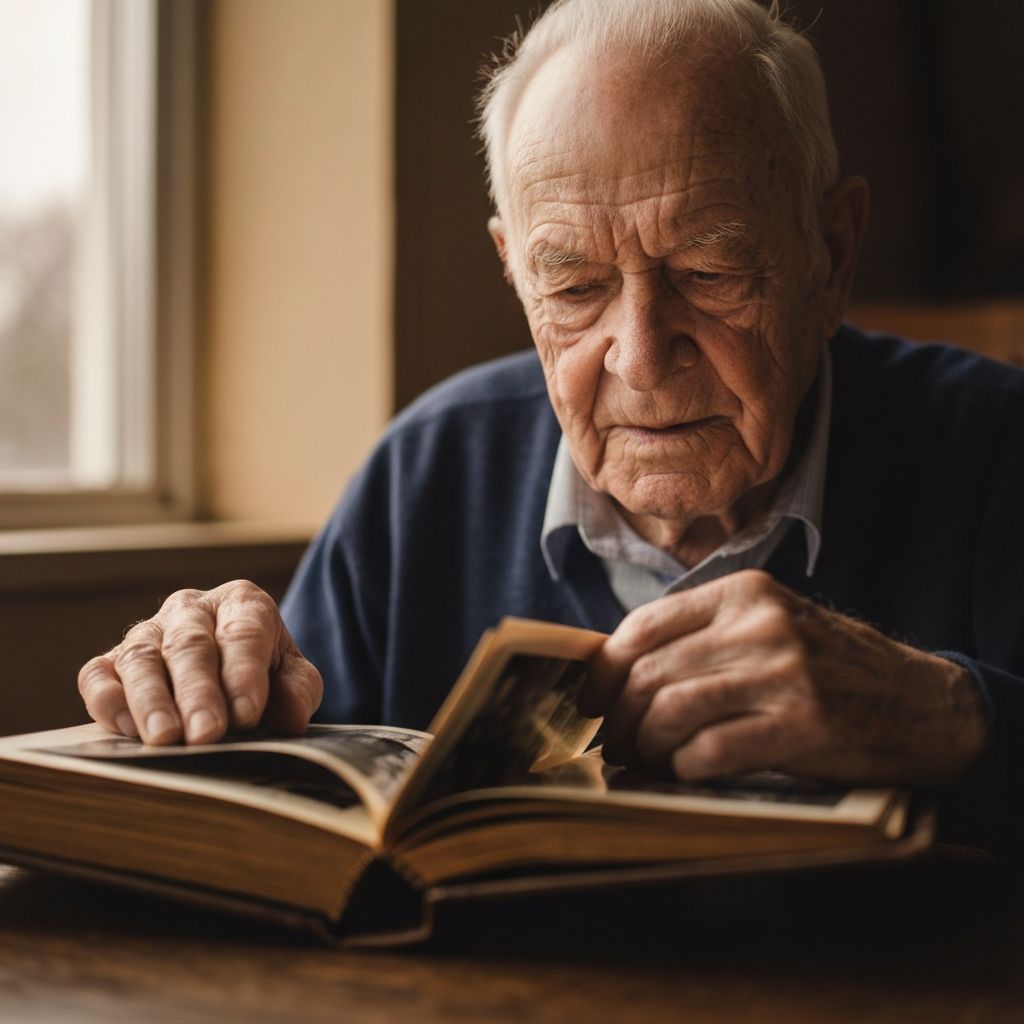
Our memories are not static recordings; they are dynamic, constantly being rewritten and reinterpreted. Over time, details fade, and the emotional significance can diminish. Military memory films interrupt this natural decay by preserving memories in a vivid, dynamic format.
When we see our photographs animated and accompanied by music, multiple sensory systems are engaged simultaneously. This multi-sensory experience creates stronger neural pathways, making memories more stable and accessible. Veterans report that viewing their animated memory films brings back details they thought they had forgotten.
Emotional Processing and Healing
Military service, particularly deployment, is emotionally intense. Many veterans carry traumatic memories alongside joyful ones. Memory films that highlight positive aspects of service — camaraderie, achievement, pride — provide a counterbalance to trauma and stress.
The combination of visual imagery and music is particularly powerful. Music directly activates the limbic system, the brain's emotional center. When paired with meaningful visual memories, this creates a cathartic experience that facilitates emotional processing and healing.
Identity and Life Narrative
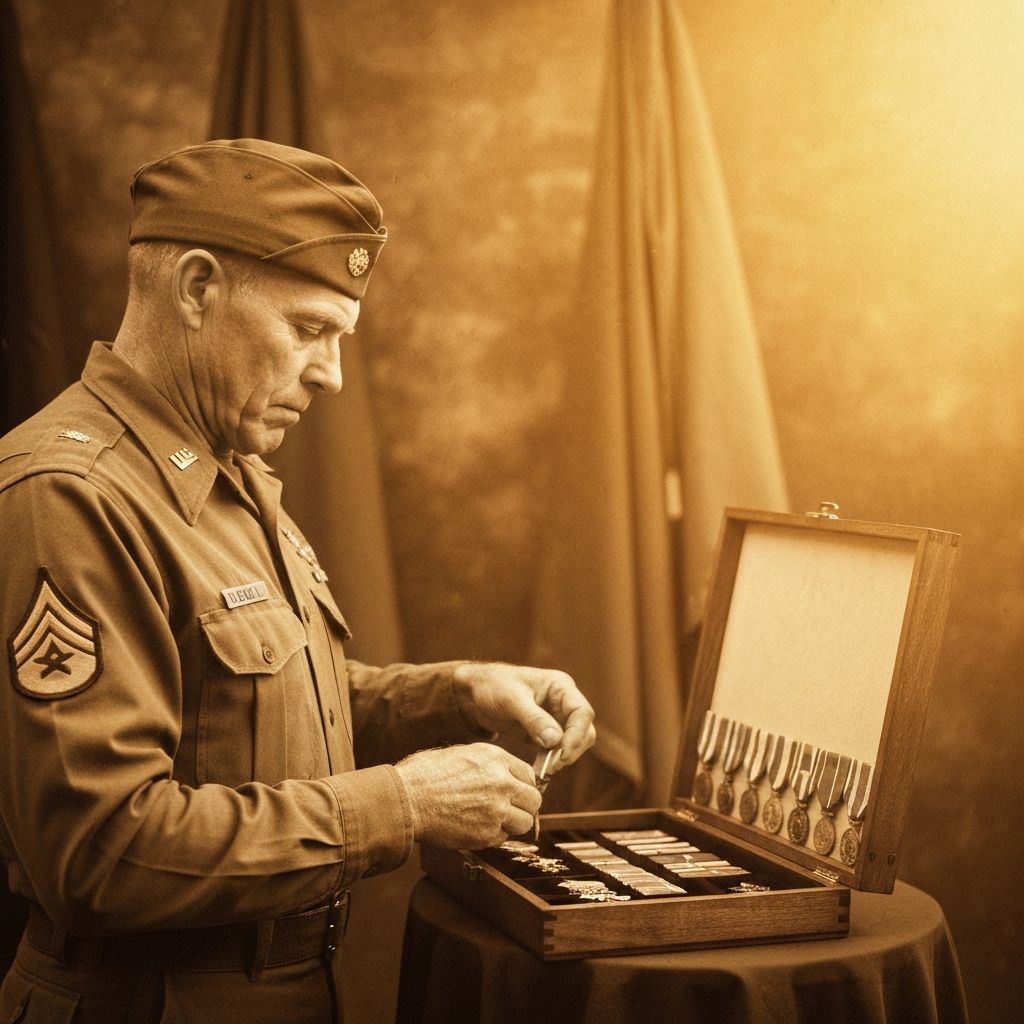
Military service fundamentally shapes identity. For many veterans, their service is a defining period that continues to influence how they see themselves decades later. Memory films help veterans integrate their military identity with their civilian identity, creating a cohesive life narrative.
Psychologically, humans seek coherence and meaning in their life stories. A well-crafted memory film literally visualizes the narrative of service, making it easier for veterans and their families to understand the service member's journey.
Intergenerational Transmission
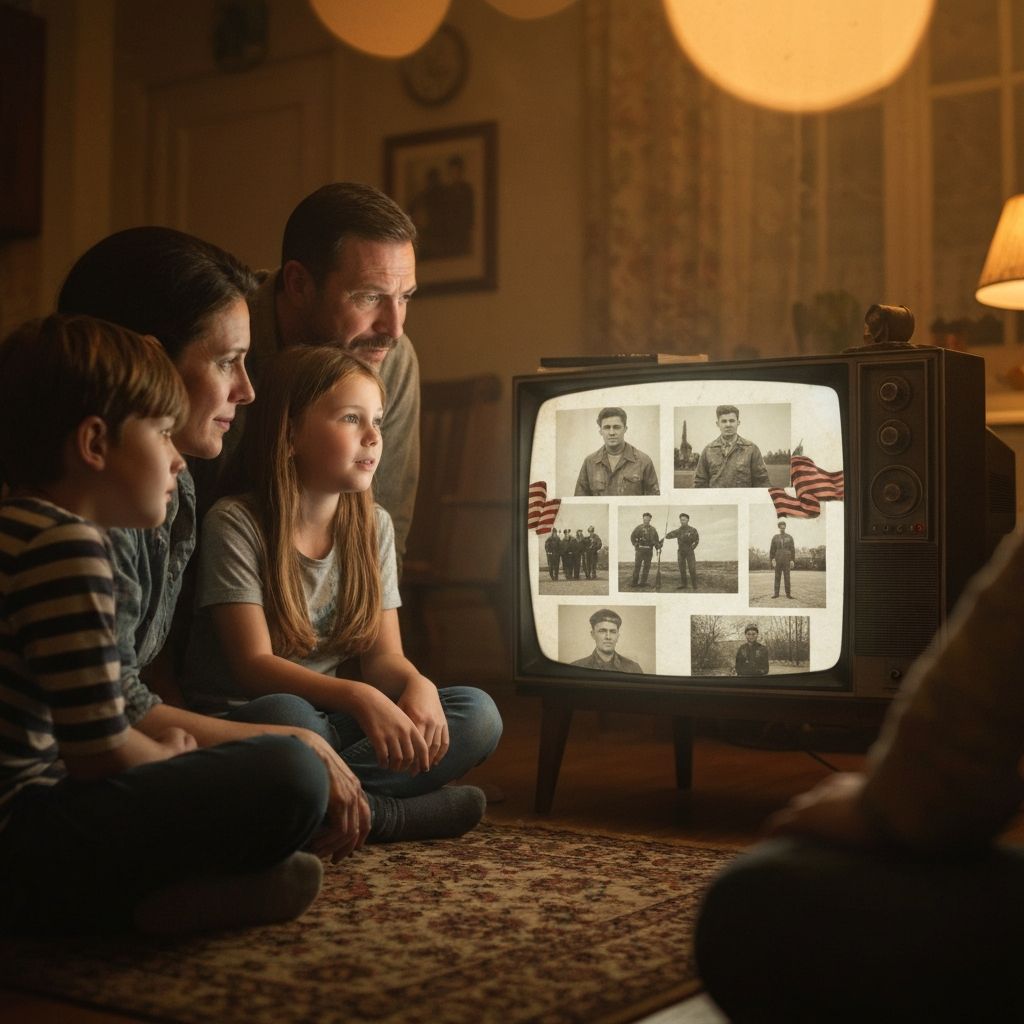
One of the most powerful aspects of military memory films is their role in family history. Children and grandchildren of service members often struggle to understand the magnitude of their ancestor's service. A memory film bridges this gap by making history personal and visceral.
This intergenerational sharing strengthens family bonds and helps younger generations appreciate the sacrifices of their family members. Research on family narratives shows that children who understand their family's history develop stronger identity and resilience.
Social Connection and Community
Veterans often feel isolated, even from those closest to them. It's difficult to explain military experience to those who haven't lived it. Memory films create a shared experience that facilitates connection.
Additionally, sharing memory films within veteran communities creates a sense of collective history and shared pride. This social validation is psychologically important for overall well-being and resilience.
Coping with Loss
When memory films are created as tributes to fallen soldiers, they serve a particular psychological function. They transform grief into a concrete, shareable artifact. Families and friends can return to these films repeatedly, finding comfort in the visual celebration of life and service.
Ritual and remembrance are powerful psychological tools for processing grief. A memory film creates a ritualized way of honoring the deceased that feels contemporary and personal.
Moving Forward
The psychology of military memory films reveals something important: our memories need to be honored, shared, and transformed. They are not just personal possessions; they are threads in the larger fabric of family and national history.
For veterans, creating a memory film is an act of self-validation — a statement that your service matters, that your memories are worth preserving, and that your story deserves to be told.
The power of military memory films extends far beyond entertainment. They are psychological tools for healing, connection, and meaning-making — essential elements of human well-being.
About the Author
Dr. Michael Roberts is a dedicated writer passionate about preserving military memories and honoring the service of veterans and their families. Contributing insights and guidance to help everyone preserve their most cherished moments.
Ready to Create Your Memory Film?
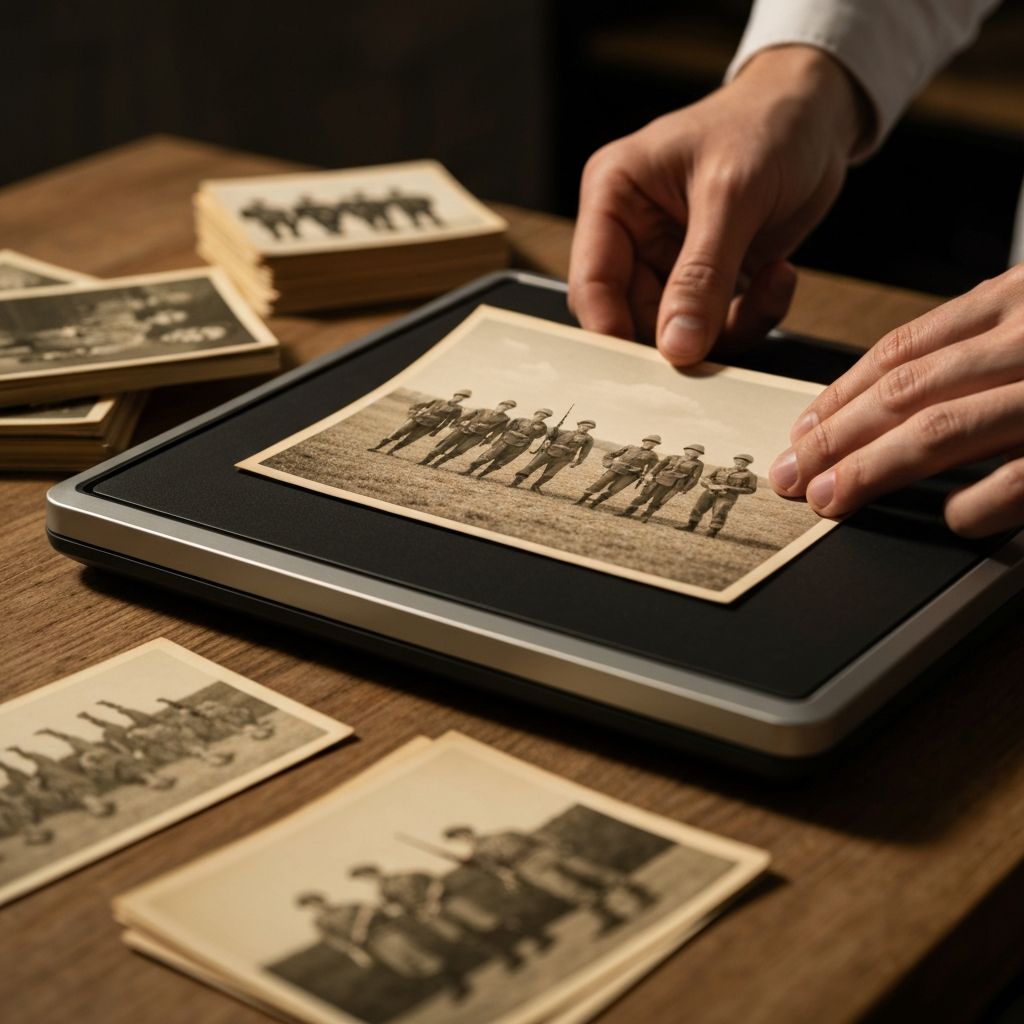
Transform your Army photos into beautiful animated films with our easy-to-use tool. Preserve your memories for generations to come.
Start Creating NowPublished
March 5, 2026
Reading Time
6 min read
Category
Research